BEYOND THE BODY

BEYOND THE BODY

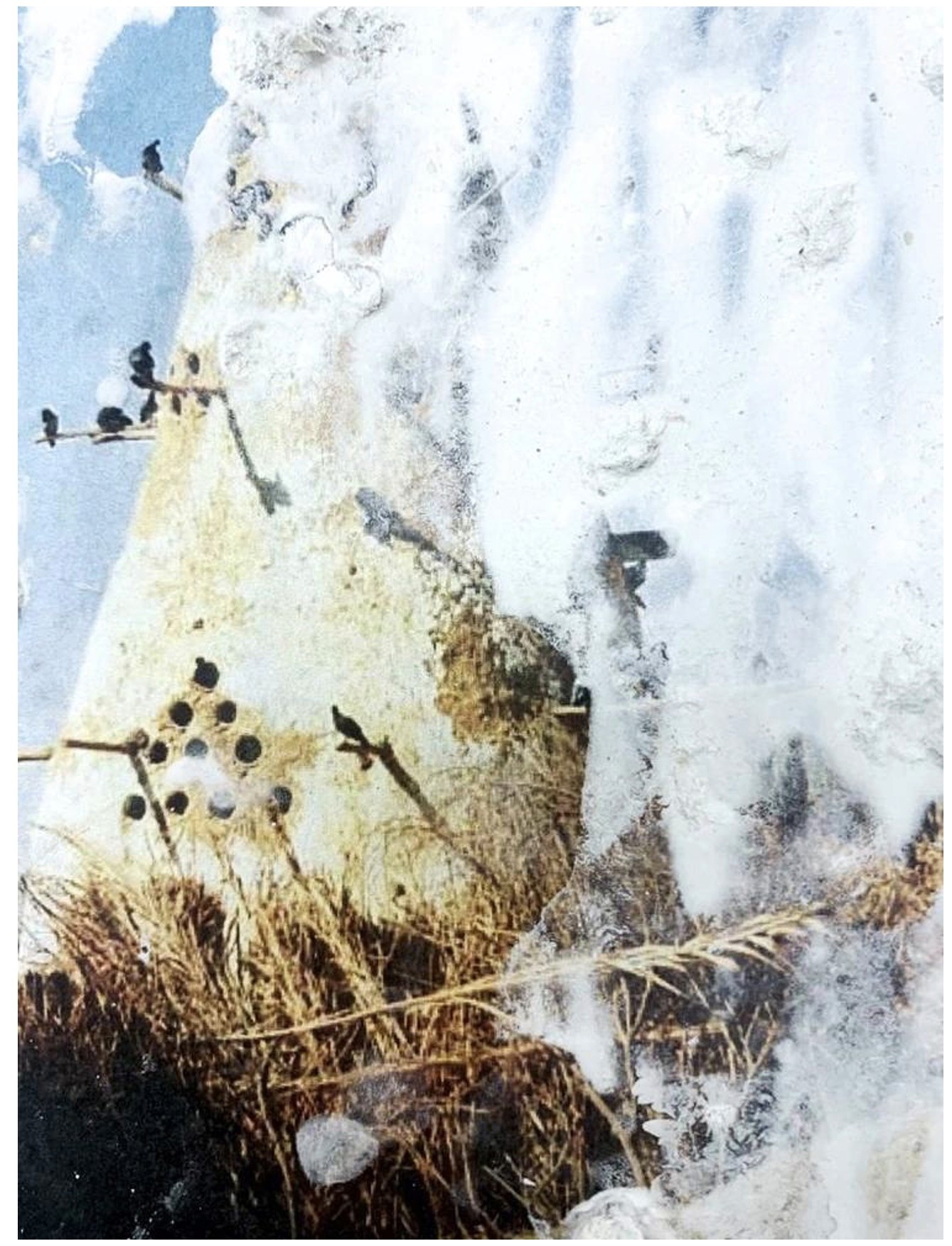
Beyond the Body explores territory, placement, displacement, and the female body, with a sustained focus on space and belonging. I examine how a body becomes alien within different contexts—not only physically, but mentally and emotionally. Growing up under the constraints of hijab, I experienced a disrupted relationship with my own body. Later, migration introduced another form of estrangement, shaped by being perceived as a stranger or immigrant. These layered experiences inform my practice as I navigate new spaces, identities, and bodily awareness. I began this exploration by measuring my body and mapping my studio, using these acts as ways to understand space as both physical and psychological. I often use pigeons as a recurring symbol of femininity, freedom, and return. Because pigeons navigate using magnetic cues, they embody my ongoing question: where is home? I also draw on pigeon towers—structures deeply rooted in my cultural history—as visual and conceptual resources that connect land, memory, and care.

Beyond the Body explores territory, placement, displacement, and the female body, with a sustained focus on space and belonging. I examine how a body becomes alien within different contexts—not only physically, but mentally and emotionally. Growing up under the constraints of hijab, I experienced a disrupted relationship with my own body. Later, migration introduced another form of estrangement, shaped by being perceived as a stranger or immigrant. These layered experiences inform my practice as I navigate new spaces, identities, and bodily awareness. I began this exploration by measuring my body and mapping my studio, using these acts as ways to understand space as both physical and psychological. I often use pigeons as a recurring symbol of femininity, freedom, and return. Because pigeons navigate using magnetic cues, they embody my ongoing question: where is home? I also draw on pigeon towers—structures deeply rooted in my cultural history—as visual and conceptual resources that connect land, memory, and care.

Placement

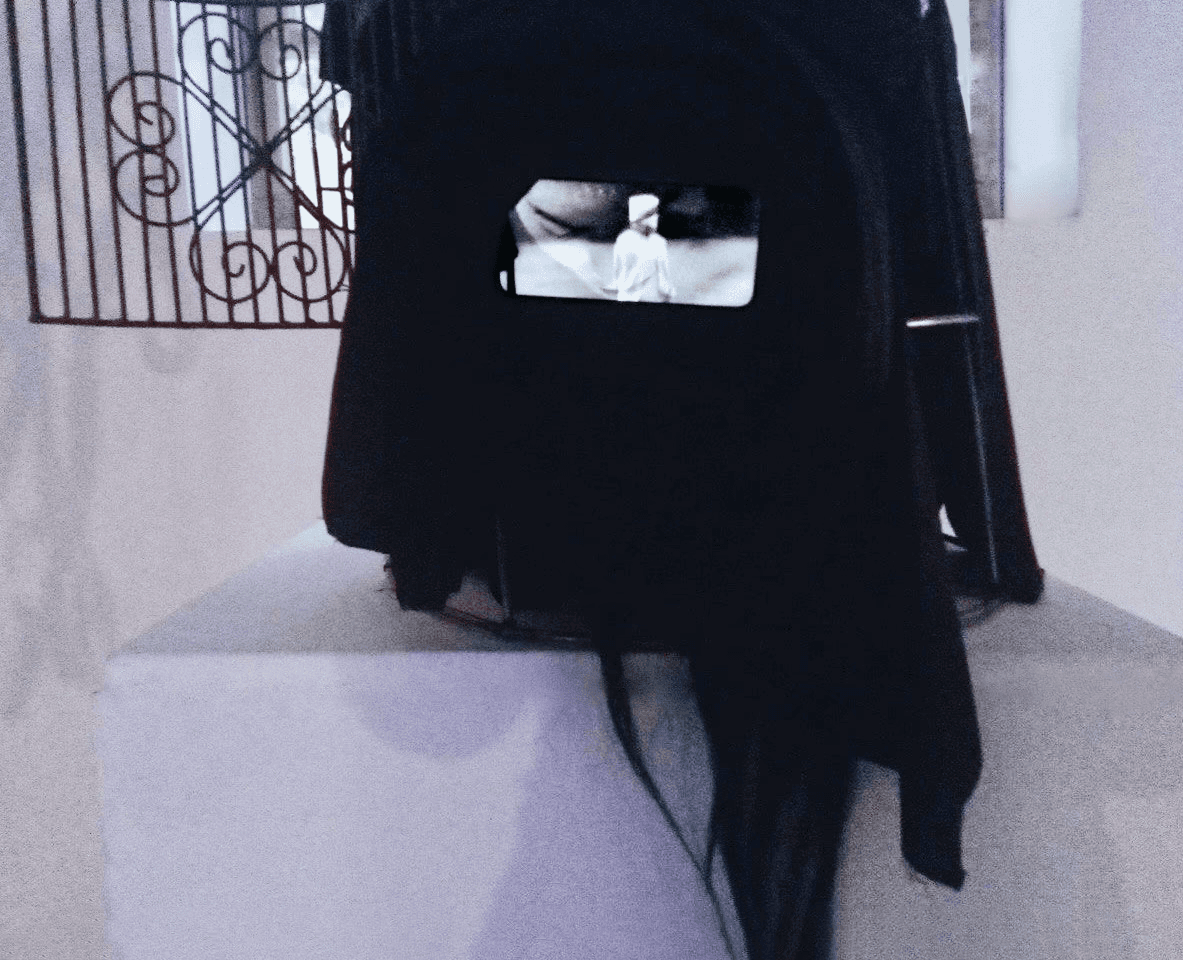
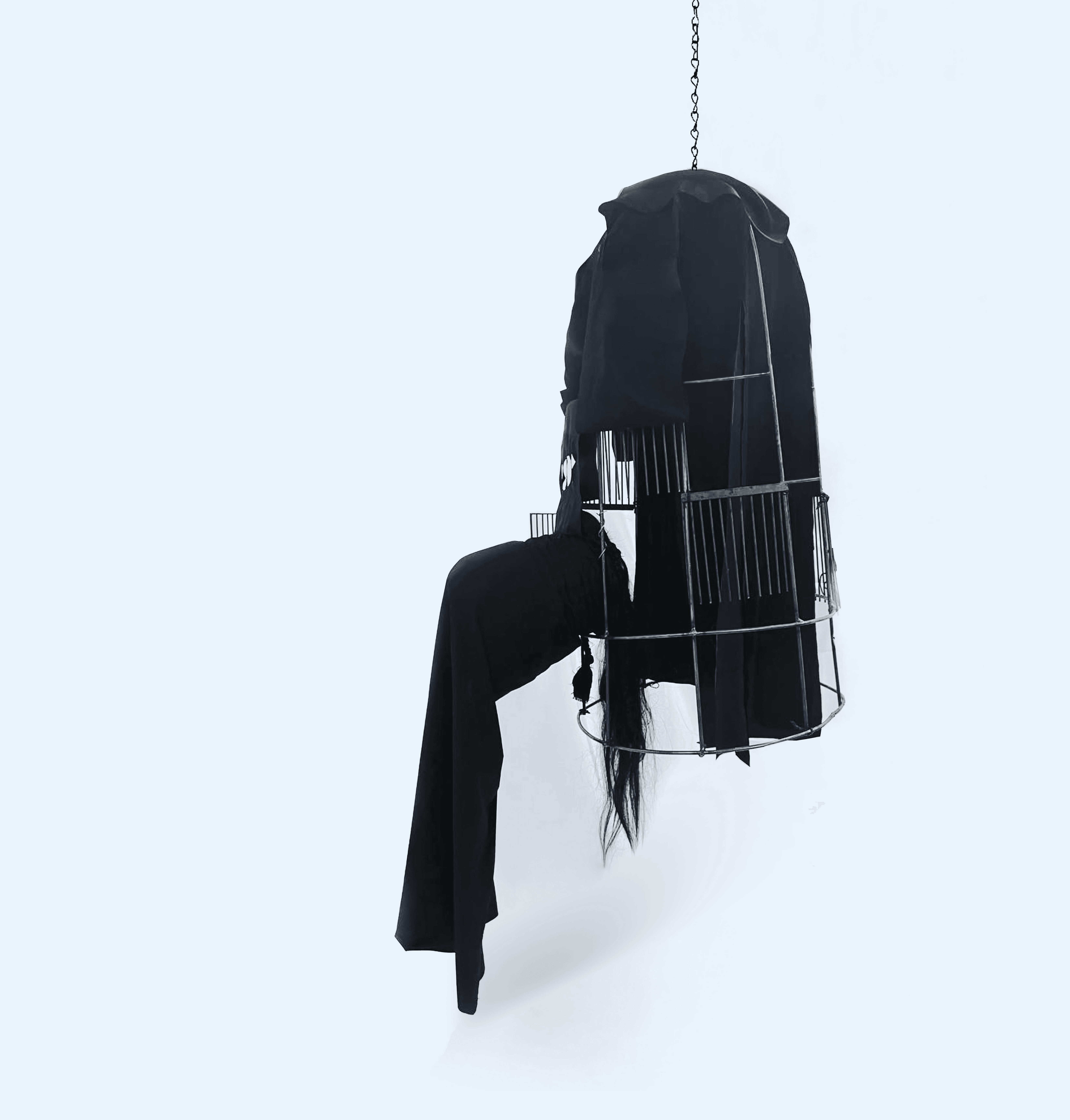
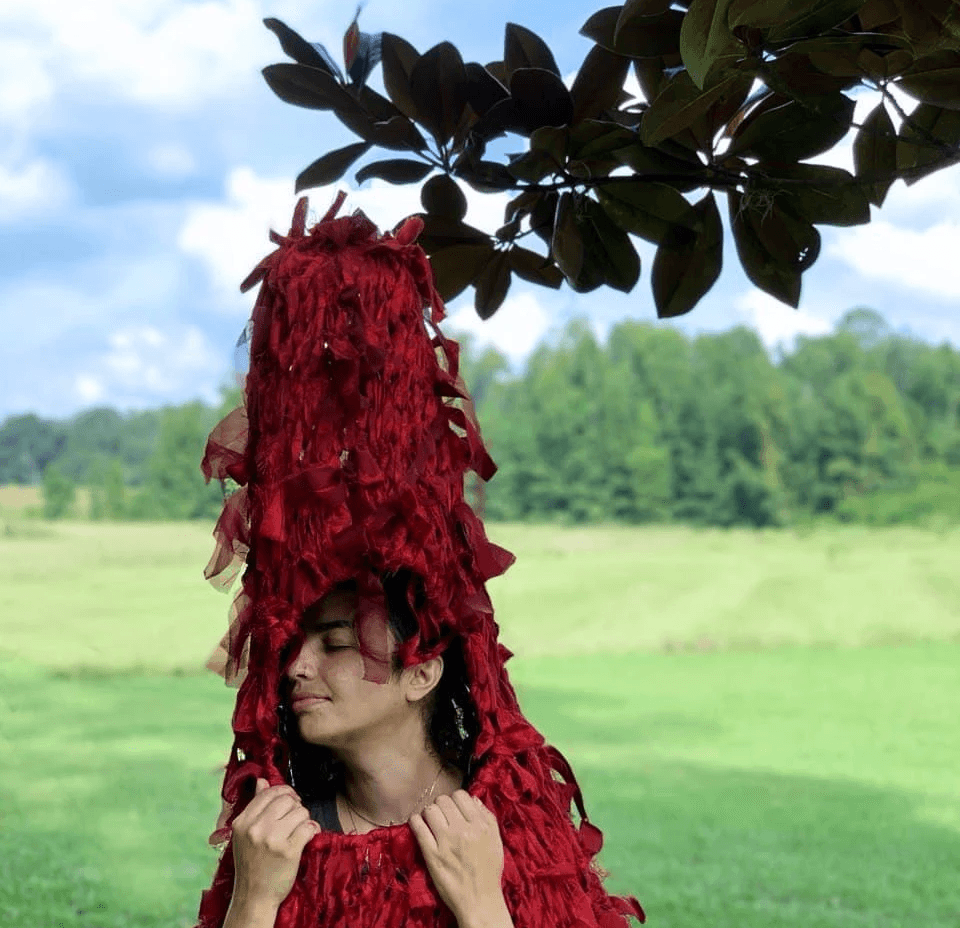
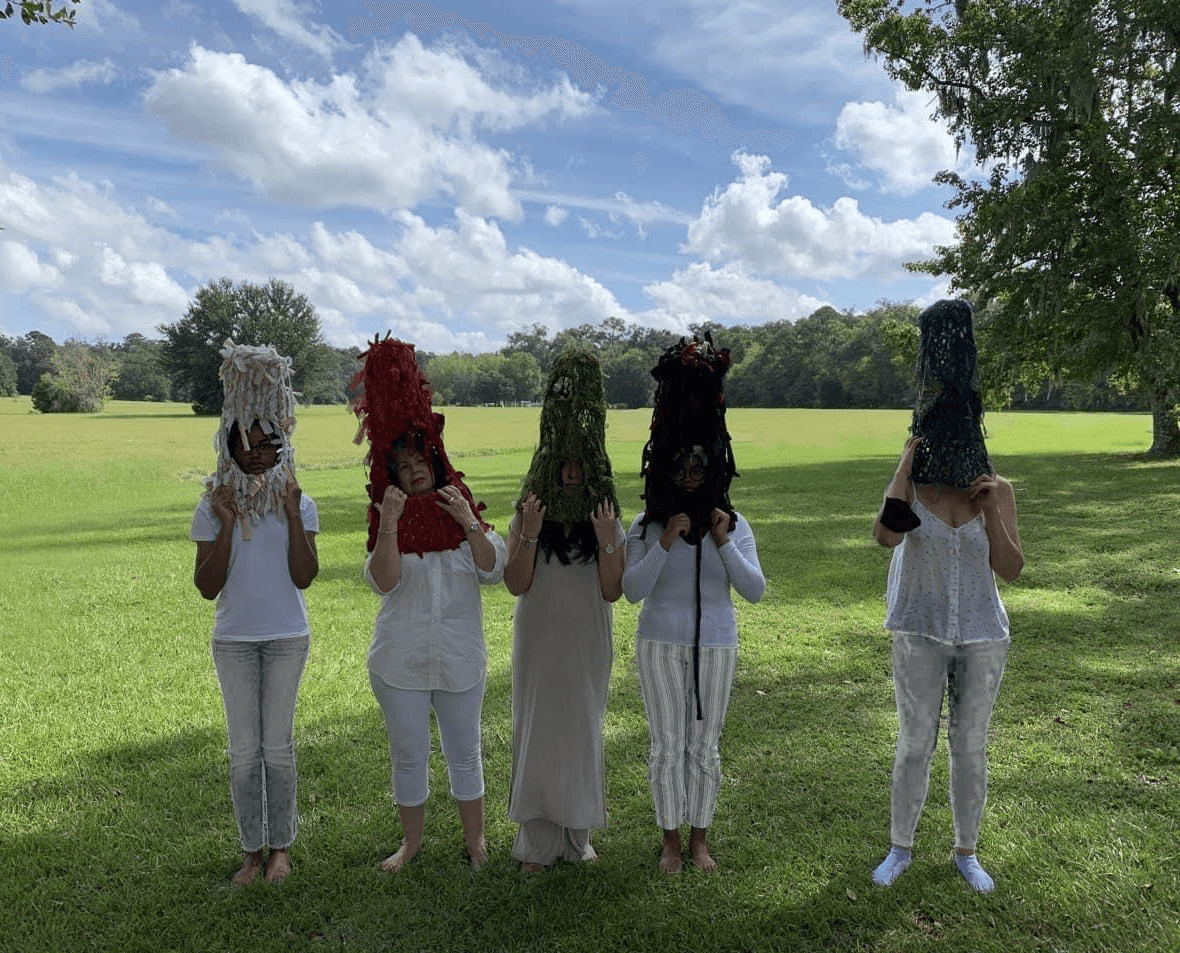
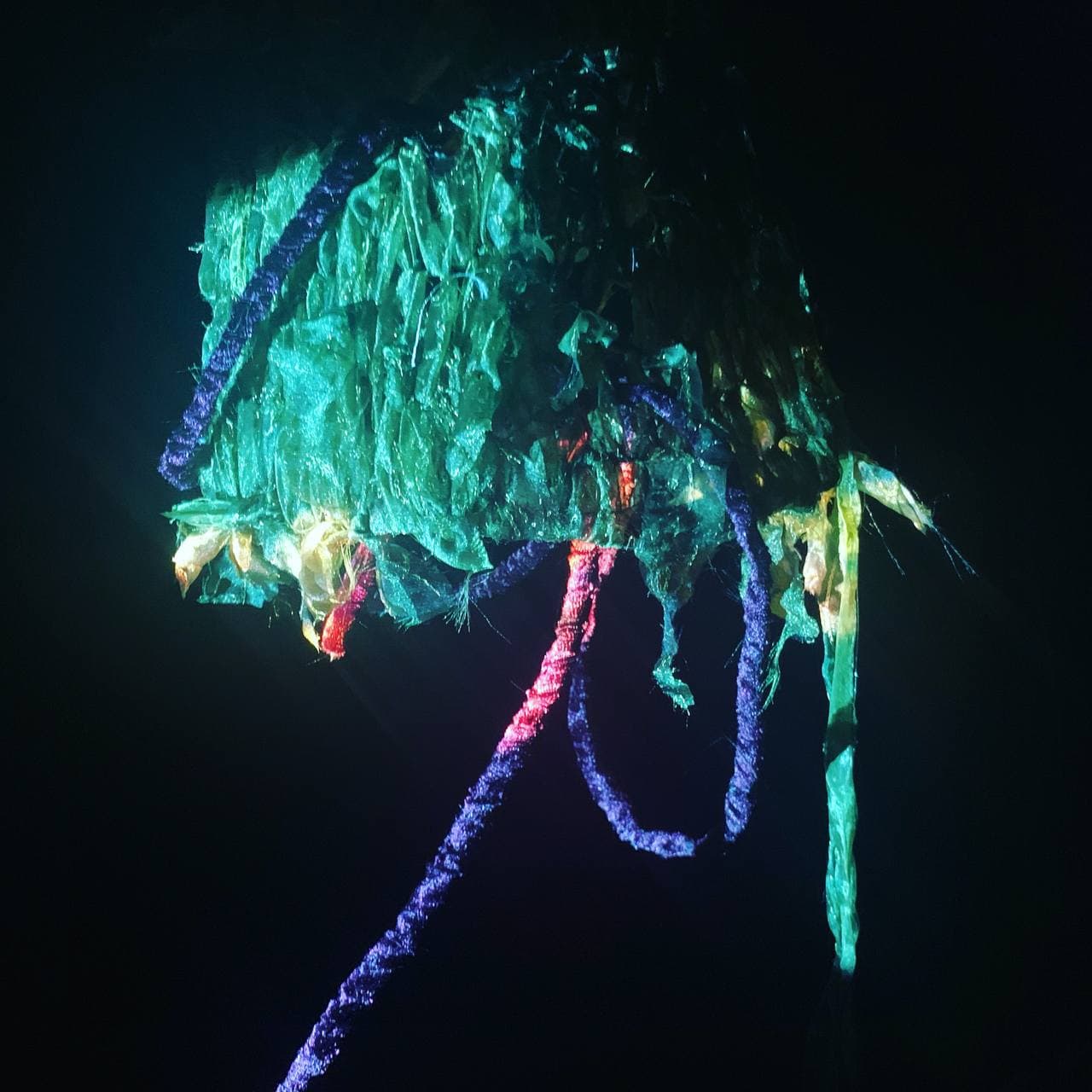
Small house-like structures inspired by ancient Persian architecture, which were historically used to shelter pigeons. Made from colorful, reflective fabrics, these forms function as both garments and sculptural objects. When worn, they restrict movement and evoke ideas of the veil, cage, and confinement. Through these works, I address how women’s bodies are regulated, sexualized, and controlled by social and political systems. My practice responds to inherited patterns of inequality—passed across generations—and seeks to reclaim agency through embodied experience and spatial reimagination.